Why melt & pour isn’t “cheating”
There’s one comment that almost every melt & pour soap maker comes across sooner or later:
“But that’s not real soap making.”
After all, you’re not mixing oils with lye, calculating a recipe, or waiting weeks for your soap to be ready. You take a ready-made soap base, melt it, add your own colors, fragrances, and ideas, then pour it into a mold.
Too easy? Maybe. But when did the value of creativity start being measured by how difficult something is to make? 😉
Melt & pour is having a moment again precisely because we live in a time when many people want to create, unwind, and make something with their own hands—without necessarily having to learn an entirely new craft to do it.
First of all: yes, it is real soap
One of the most common misconceptions is that melt & pour is somehow “fake soap” because the maker doesn’t work directly with lye. But with melt & pour soap base, the saponification process has simply already taken place.
With cold process, you carry out this process yourself: you combine oils or fats with lye, triggering the chemical reaction that creates soap.
With melt & pour, the manufacturer of the soap base has already completed this step for you.
The difference is simply the point at which you enter the process.
So, is melt & pour “cheating”?
If you make a cake using a ready-made base, you still decide what flavors, layers, and decorations it will have.
If a ceramic artist buys ready-made clay, the object they create is still their own work.
If a painter doesn’t make their own pigments, that doesn’t make them any less of a painter.
The same applies to melt & pour.
The technical foundation is already there, and you use it to create something of your own. That’s why it makes sense to separate two things: formulating soap and creating with soap.
With cold process, you can do both. With melt & pour, much of the formulation has already been done for you by the manufacturer, allowing you to put more of your energy into the creative process.
It’s simply a different kind of making. Of course, it gives you less freedom in certain areas, but it can still be just as satisfying and artistic.
M&P vs. cold process: there doesn’t have to be a winner
The question of which method is “better” comes up again and again in soap-making communities, but perhaps the more useful question is, what do you actually want to create?
Cold process
The biggest advantage of cold process is control.
You choose the oils and butters, develop the recipe, and decide on the formula. You learn the chemistry behind soap making, work directly with the saponification process, and create your own soap from the ground up.
That’s fantastic for anyone who is drawn to exactly that part of the craft.
In return, it requires more precision, more equipment, and appropriate safety precautions because you are working with sodium hydroxide. The finished soap also typically needs several weeks of curing time.
Melt & pour
Here, the soap base is already made.
There’s no direct handling of lye, no need to calculate your own soap recipe, and no 4–6 week waiting period. You melt the base, create your own version, and once it has hardened, it’s ready to use.
Easy to start doesn’t mean there’s nothing to master
Almost anyone can make a simple melt & pour soap.
But creating a truly beautiful, eye-catching piece is another matter.
There’s plenty of room for experimentation here, too:
- What temperature should you pour at?
- How do you make sure the layers adhere properly?
- How can you avoid bubbles?
- How do you keep transparent sections looking clear and beautiful?
- How much fragrance can a particular base handle?
- How do different colorants behave?
- How do you create precise embeds?
- How can you prevent glycerin dew, or soap “sweating”?
- And how do you build a soap that looks exactly the way you imagined it?
Even in 2026, the use of M&P embeds in cold process soaps is still an active topic in soap-making communities—which shows that the two techniques don’t necessarily have to be rivals. They can also be combined.
The barrier to entry with melt & pour is low, but its creative ceiling is surprisingly high.
There are things melt & pour is especially good at
Transparent bases, for example, open up visual possibilities that are much more difficult—or sometimes impossible—to achieve with cold process techniques.
Layers, geometric shapes, embeds, combinations of transparent and opaque sections, molds with intricate details, stained-glass effects, miniature objects, flowers, stones, or even soaps inspired by desserts.
Soap-making forums have long highlighted this as one of the unique strengths of M&P: vivid colors, clean layers, detailed shapes, and transparency offer a completely different visual playground from cold process.
Something interesting has changed in DIY culture
In recent years, something interesting has happened in DIY culture: not everyone wants to become a master of a craft. Sometimes people simply want to enjoy the process and the result.
Maybe they just want to make an easy handmade gift or disconnect from the fast-paced world for a little while.
And for anyone who only wants to make soap in small batches, melt & pour is also a perfect choice because the amount needed is easy to calculate and portion.
You don’t need a fully equipped workshop or special safety gear.
You can simply start.
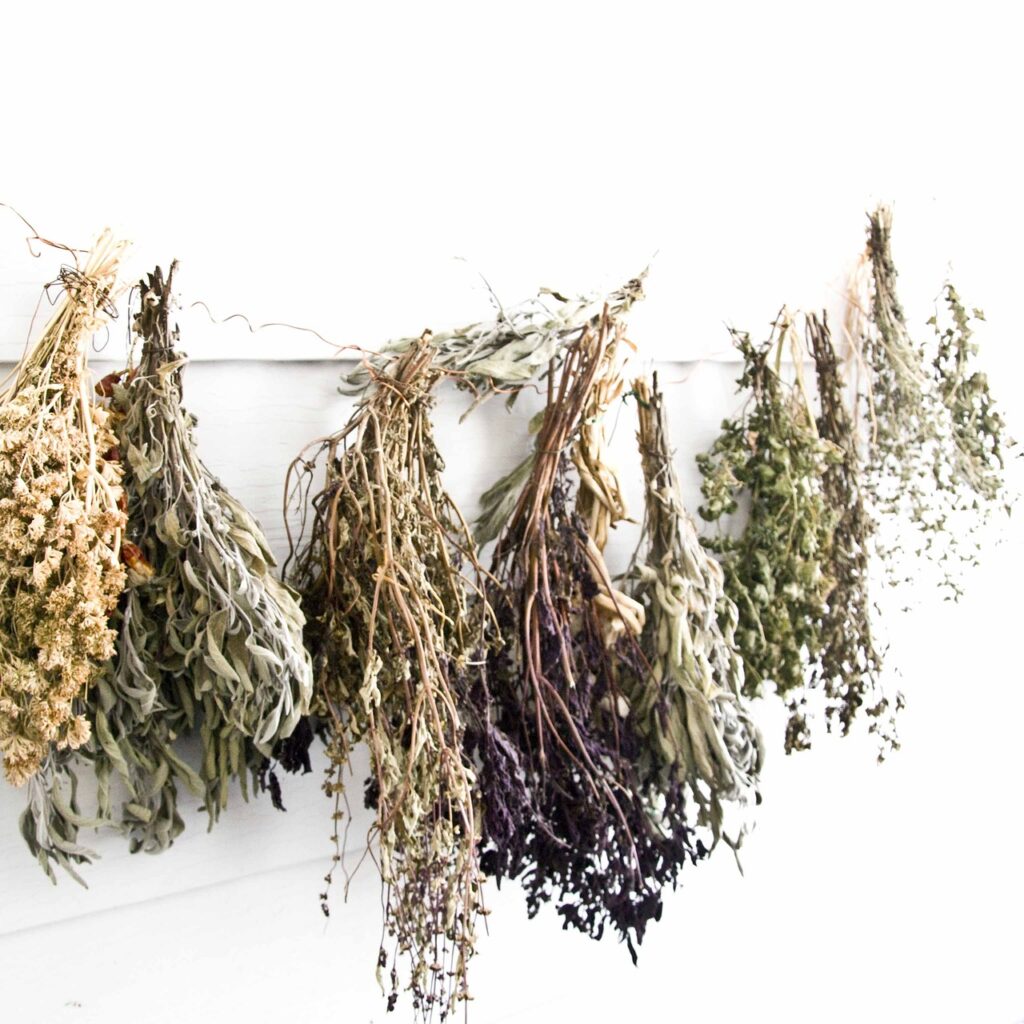
With cold process, patience is part of the technique—and that has its own beauty, too.
But let’s be clear: cold process gives you more freedom with the formula
With cold process, you genuinely have much more control over the composition of your soap. You determine the base oils, butters, and their proportions, allowing you to influence the properties of the soap itself.
With melt & pour, too many additional ingredients can reduce lather, affect hardness, or even compromise the stability of the finished soap.
That’s why choosing a high-quality base is especially important with M&P.
The base isn’t simply an ingredient. It is the soap itself—and it’s what you build your own creative world on.
You don’t have to choose between two camps
You don’t have to decide whether you want to be an “M&P maker” or a “cold process soap maker.”
You can try both.
You can start with melt & pour and learn cold process later.
You can be an experienced cold process soap maker who uses M&P embeds for certain designs.
Or you can stick with melt & pour simply because you enjoy this kind of creativity more.
Neither is a higher level than the other. They’re simply two different paths.
Maybe easy is the point.
We don’t have to turn every hobby into something we master at a professional level.
And importantly, we don’t have to turn everything into a business or prove that we’re taking it “seriously enough.”
Sometimes the whole point is simply choosing a fragrance, melting a batch of soap base, experimenting with an idea that popped into your head, and completely losing yourself in the process for an hour.
And at the end, there’s something sitting in front of you that you made.
And maybe that’s exactly why melt & pour is having a moment again.
If this has inspired you to give it a try, we offer a set that lets you experiment with two different soap bases in one box: Goat Milk and Olive Oil.
That way, you can experience the difference between the two right from the start—and make experimenting even more fun.